What the patterns mean: reading a Persian rug
Look closely at a fine Persian rug and you're reading a language that's older than most countries. The shapes aren't decoration for its own sake, they're motifs handed down through generations of weavers, each with its own quiet meaning. You don't need to know any of this to love a rug, but it's a lovely thing to understand.
The medallion
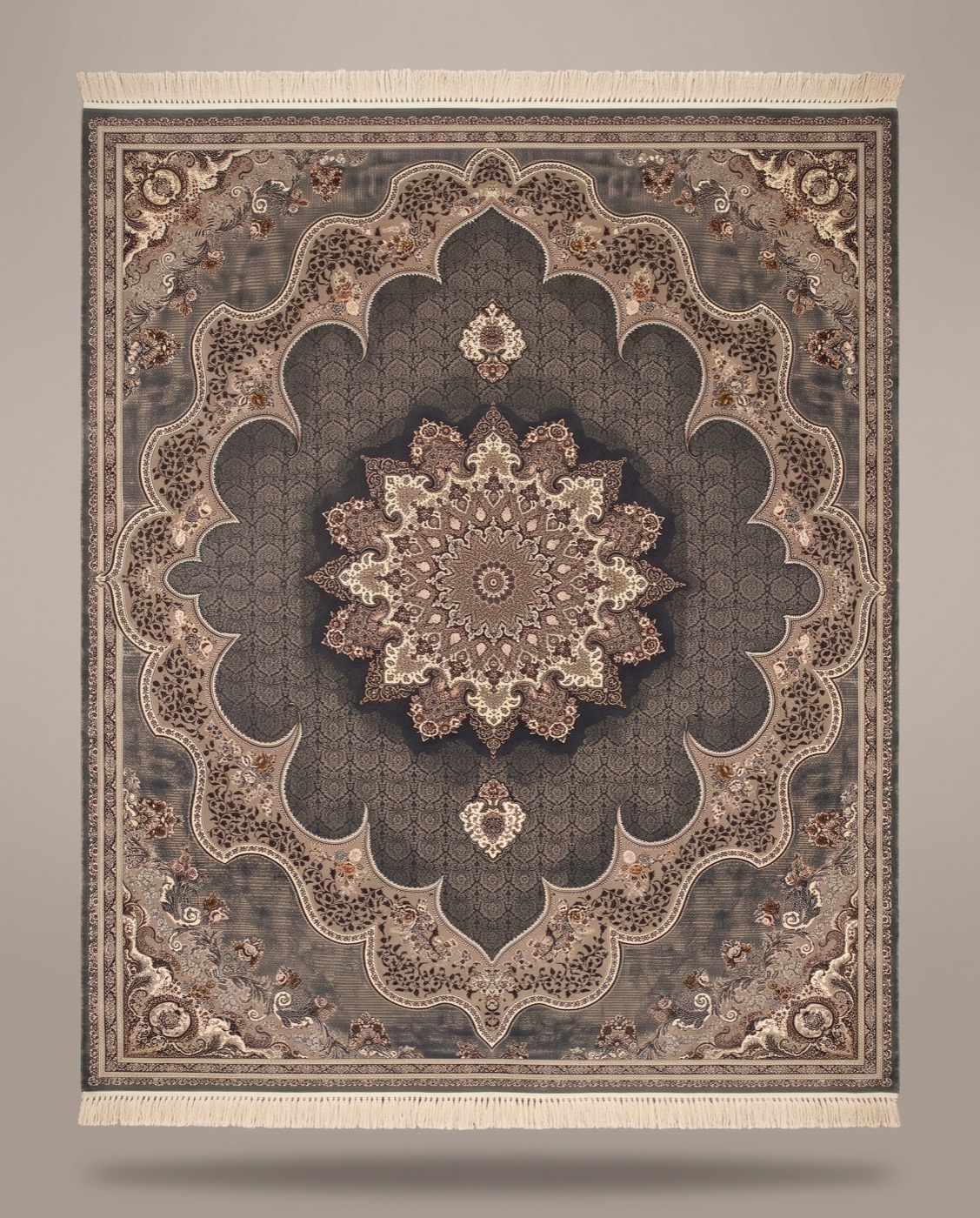
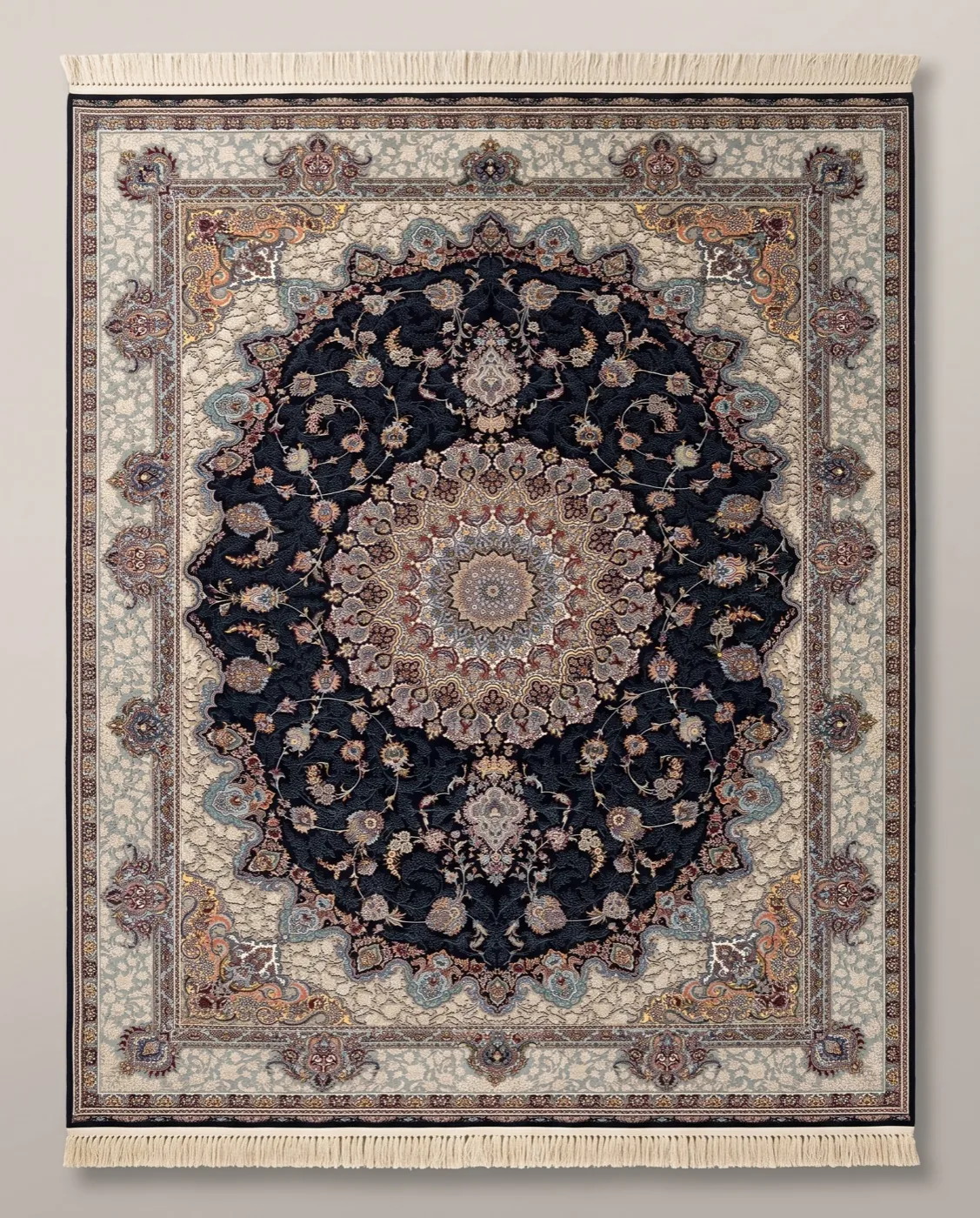
That grand shape at the centre of many Persian rugs is often said to represent a pool or a dome of heaven seen from above, an anchor for the whole design and, in a room, for the whole floor. A rug built around a single medallion tends to feel formal and calm; an all-over pattern with no centre feels more relaxed and endless.
Flowers and vines
The flowing florals, the curling vines, the little blossoms scattered across the field, these come from the Persian idea of the walled garden, the paradise garden, a paradise of order and abundance brought indoors. It's why a good Persian rug can make a room feel alive and settled at once.
The boteh
The teardrop shape you might know as "paisley" is the boteh, an ancient motif thought to represent a cypress tree bending in the wind, a symbol of life and eternity. Once you spot it, you'll see it everywhere.
The border
The border isn't an afterthought, it frames and contains the garden within, like a wall around a courtyard. A well-drawn border is one of the first things we look at when we judge a rug's quality.
You're not just buying a pattern. You're bringing home a garden that generations of weavers agreed was worth keeping.
Come and let us walk you through the designs on our floor, the stories are half the pleasure. Or read about choosing between Persian and Turkish next.
Written by the Dandy Rugs family in Dandenong. Questions? Come in for tea or browse the rugs.