How to layer rugs (and why it works)
Layering rugs used to be something you only saw in old, well-travelled homes, where a favourite piece was simply laid over whatever was already down. Now it's one of the easiest ways to make a room feel warm, textured and collected rather than showroom-new. Done with a little care, it looks effortless.
Why layer at all?
- To warm a big, plain rug or a natural-fibre base with a smaller, richer piece on top.
- To use a rug you love that's too small for the room on its own.
- To zone an open-plan space and add a soft, lived-in depth.
The simple rules
Start with a large, calm base, then place a smaller, more characterful rug on top, off-centre or angled slightly for that unforced look. Keep one of the two quiet: a bold patterned top wants a plain base, and vice versa. And let the base show as a border all the way around, so it reads as deliberate rather than accidental.
Pairings that work
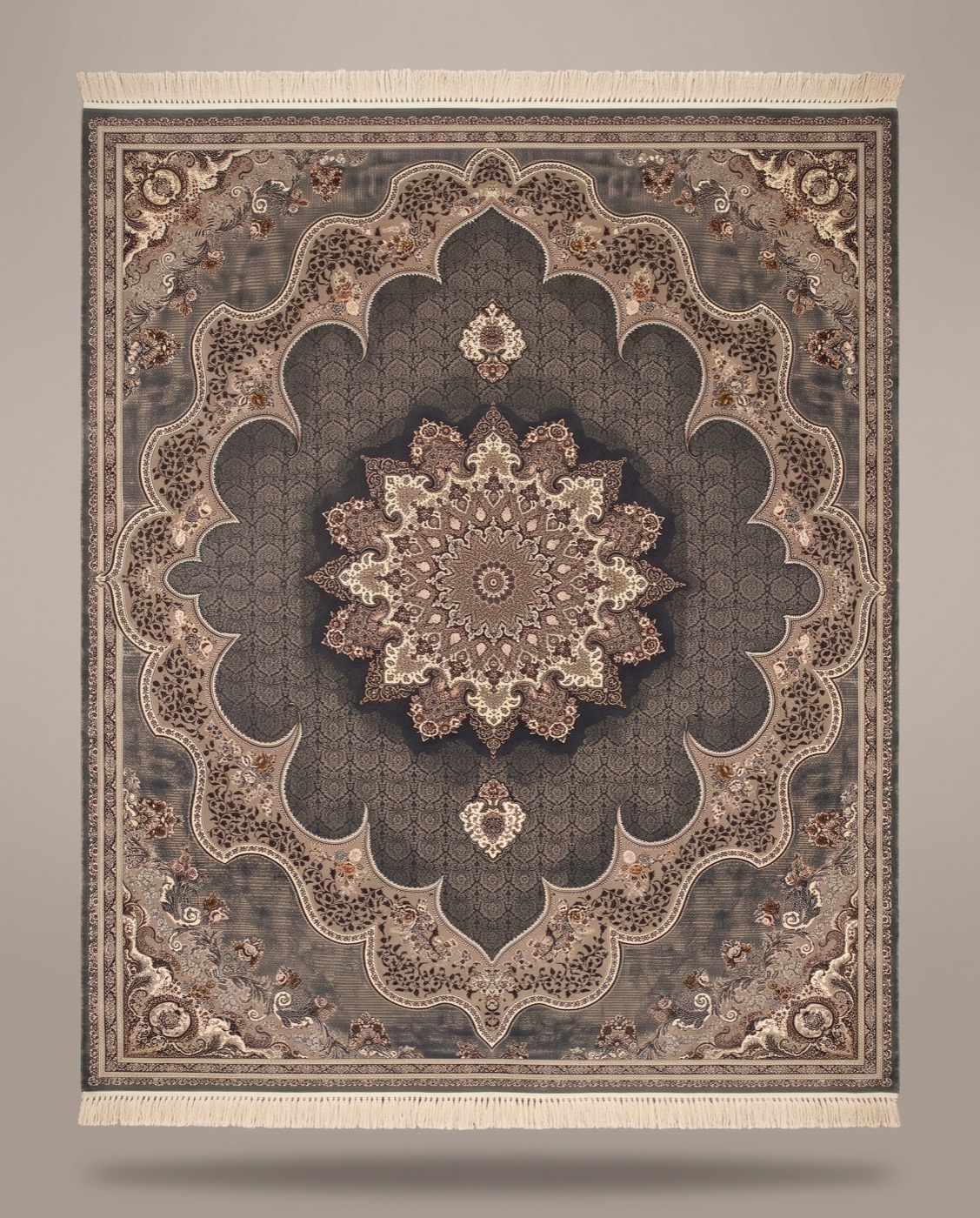
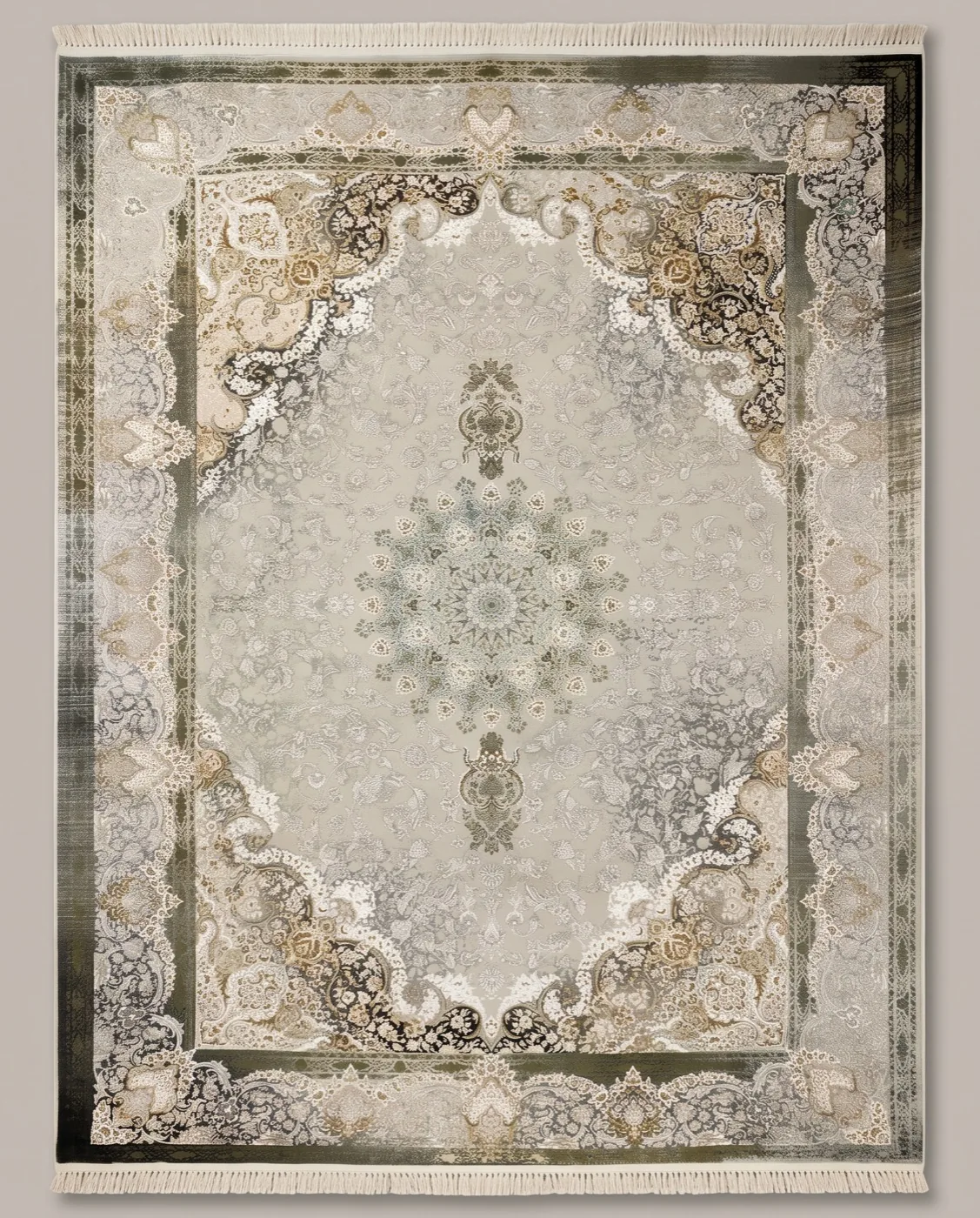
A fine Persian medallion over a large, flat natural base is a classic. A soft, faded transitional rug over a darker one adds gentle contrast. And a toshak or majlis set layered over a room rug turns a corner into a proper lounge, which is exactly how these pieces are used in the homes they come from.
Layering is how a room stops looking bought all at once and starts looking gathered over time.
Come and see a few combinations laid out in the showroom, we do this all day, or read our placement guide to get the base layer right first.
Written by the Dandy Rugs family in Dandenong. Questions? Come in for tea or browse the rugs.